

Restore Your Healthy, Pain-Free Smile
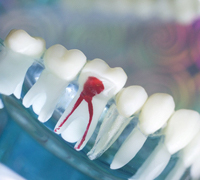 Do the words “root canal” send a shiver down your spine? While you’ve probably heard plenty of rumors about this common procedure being painful or ineffective, these misconceptions are far from the truth! In fact, modern root canal therapy in Worcester is designed to quickly relieve the pain of a severe toothache, prevent the spread of infection, and save teeth from extraction. Dr. Christy Savas can use this tooth-saving treatment to restore your healthy, pain-free smile in no time. If you are experiencing dental pain, don’t hesitate to call us to see if root canal therapy can get your oral health back on track.
What Is Root Canal Therapy?
 Root canal therapy is needed when the inside of a tooth (its pulp) becomes infected. This is usually the result of an untreated cavity or small crack in the enamel, which leaves the sensitive inner layers of the tooth vulnerable to bacteria. Not only are infected teeth painful, but they can be dangerous as well. The harmful oral bacteria can infect nearby teeth and even spread throughout the body. Eventually, your teeth may become so damaged that they need to be removed.
We’ll always do everything we can to preserve your teeth, which is one reason why we will likely recommend root canal therapy before an extraction whenever possible. Root canal therapy can relieve your pain just as quickly as a tooth extraction and requires a much shorter healing period. In addition, it saves as much natural tooth structure as possible, which keeps your jawbone healthy, makes it easier to chew and speak, and prevents the complications of a missing tooth.
Signs That You May Need Root Canal Therapy
 The only way to know for sure if you need root canal therapy is to come see us for an assessment. However, the most common warning signs to keep an eye out for include:
What Can I Expect from Root Canal Therapy?
Knowing what to expect from root canal therapy can help you feel more at-ease about your upcoming treatment. This common procedure is relatively straight-forward. In fact, most patients are happy to find that the entire process is similar to getting a large filling. If you are feeling particularly nervous about your procedure or have difficulty sitting in the same position for extended periods of time, Dr. Savas may recommend nitrous oxide sedation to help you feel as comfortable as possible.
When we’re ready to start your treatment, we’ll begin my completely numbing your mouth. During your root canal therapy, you may feel some pressure, but there shouldn’t be any discomfort. Then, your Worcester dentist Dr. Savas will make a small access hole in your tooth. He’ll remove all the infected or injured tissues and sanitize your tooth before filling it back up with a rubbery biocompatible material. Depending on your needs, the tooth may be capped or crowned for additional reinforcement.
If you have severe tooth pain and need immediate care, don’t wait to give us a call. We’ll give you step-by-step instructions for managing your symptoms until you can reach our office for an emergency appointment.
 The only way to know for sure if you need root canal therapy is to come see us for an assessment. However, the most common warning signs to keep an eye out for include: